Church of Sant’Antonio from Padoa
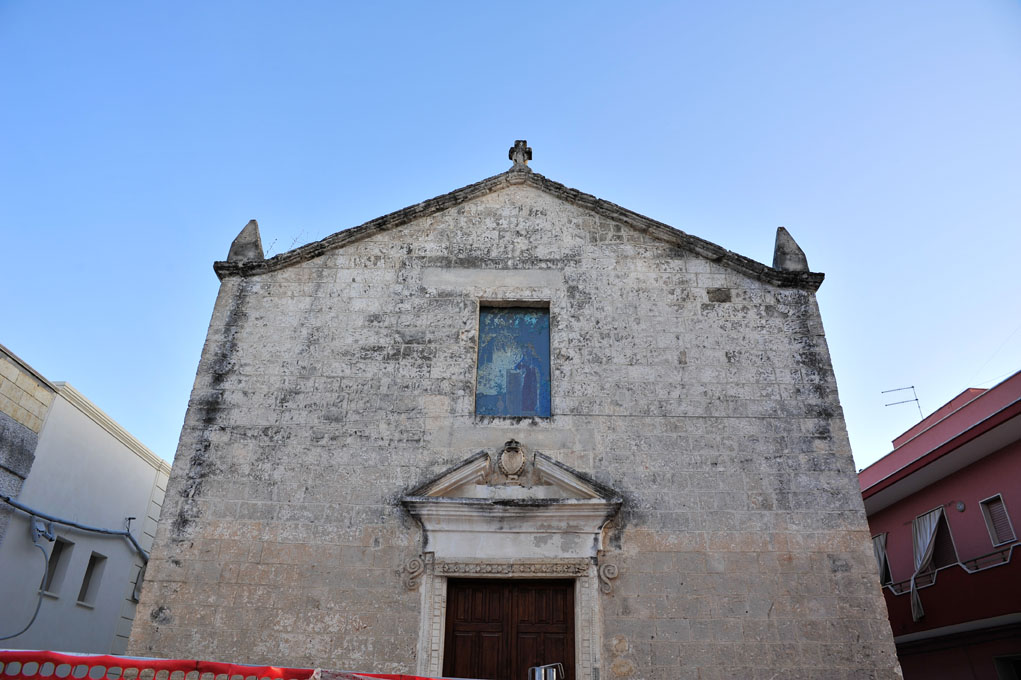
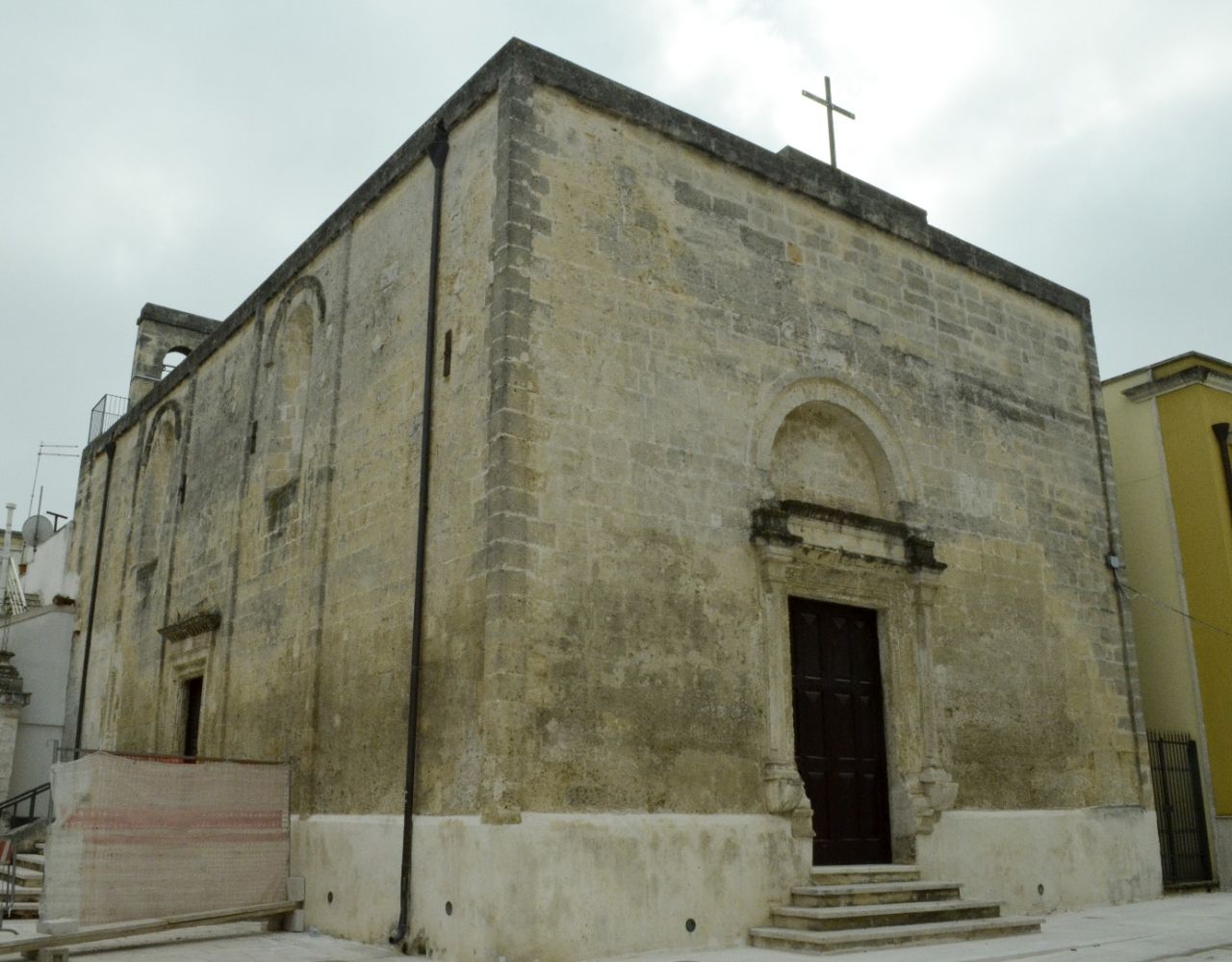
The Church of Sant’Antonio da Padova, in the historical centre of San Pancrazio Salentino, is like a history book of the town, with its sober appearance and without bells, telling intense moments of the troubled past of this fascinating territory.
There is evidence that in 1063 there was a building here that was older than the current church, which was originally dedicated to San Pancrazio, the patron saint of the town, after he passed through these lands on his way to Rome.
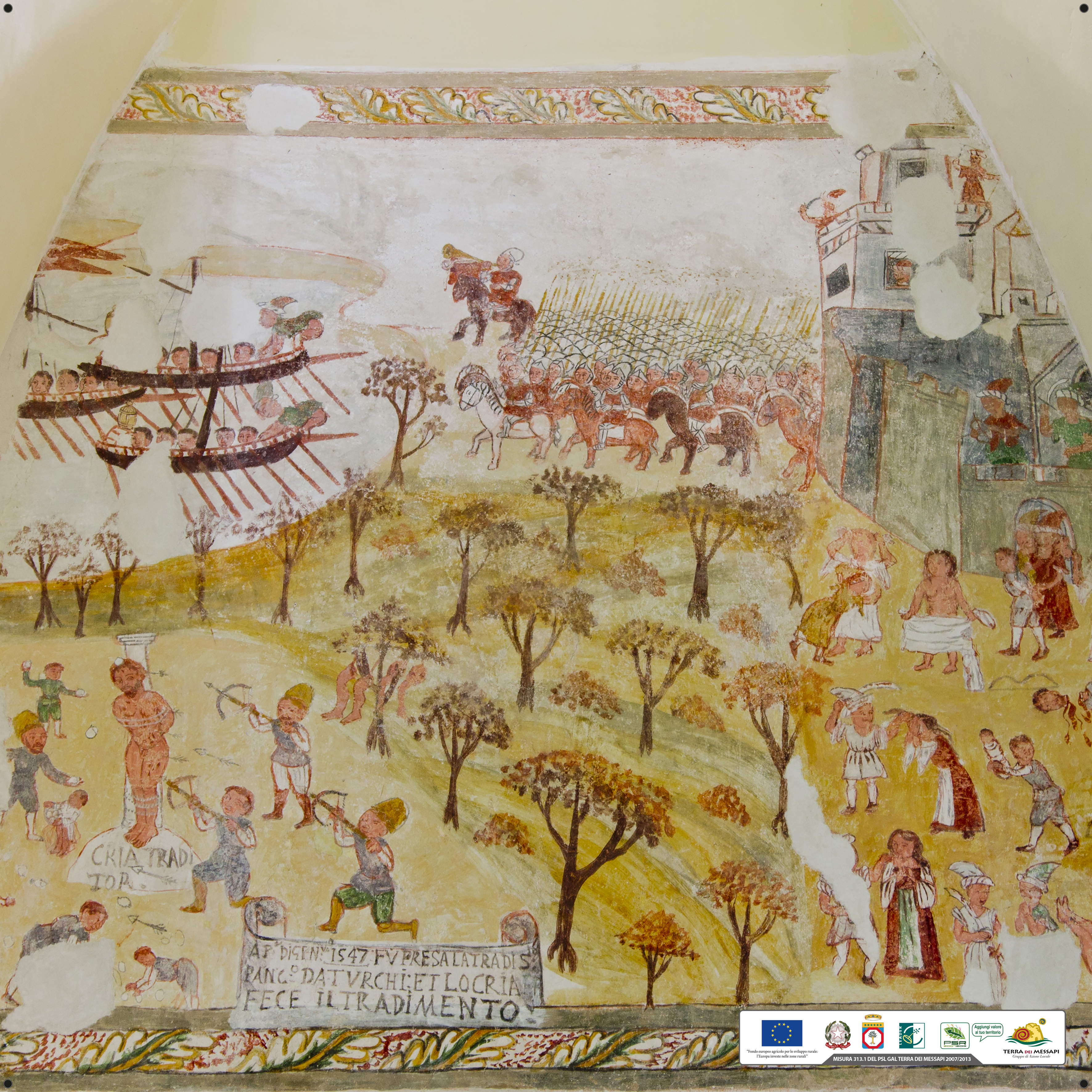
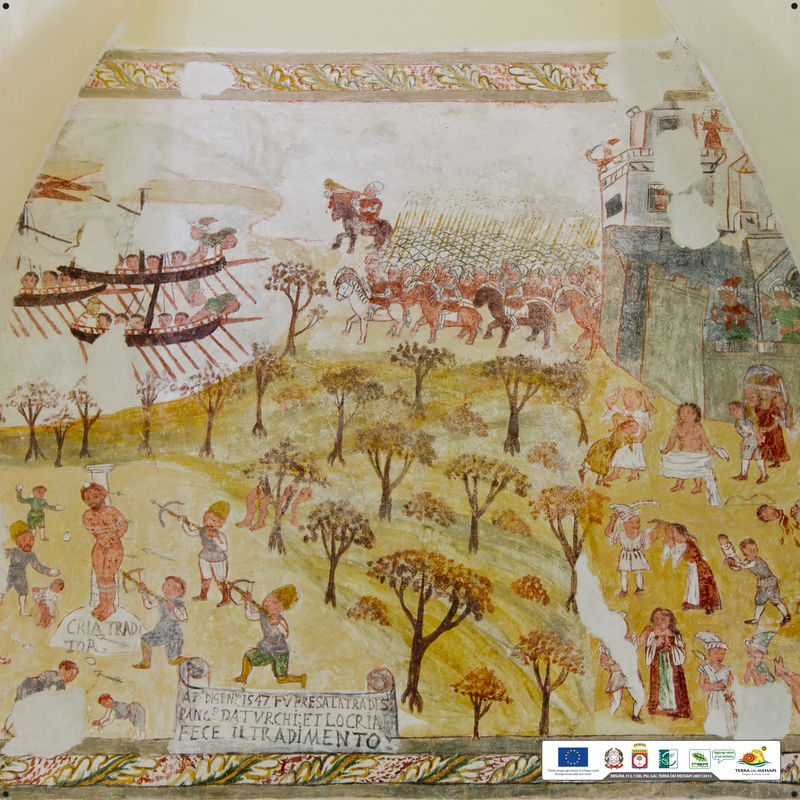
Wars and plagues over the centuries contributed to the collapse and abandonment of the first building. It was not until the early 1200s, at the behest and expense of Archbishop Pellegrino d'Asti, that the church was enlarged and rebuilt, together with the adjoining palace, which was chosen as the archbishop's summer residence, drastically changing the profile of the place and giving new life to the town. In 1480 and 1547, San Pancrazio was sacked and deported by the Turks, who inflicted massive wounds on the city and its population. The story of the last event is told in the precious testimony of a fresco still visible inside the church, whose reconstruction dates back to 1551, as can be seen from the epigraph in the ancient sacristy. An unfortunate succession of earthquakes and other episodes added to the troubled history of this building, the reconstruction of which multiplied over time until 1886, the year of a major consolidation of the structure.
The church has a 16th-century appearance, with few elements other than the fine marble lunette doorway and a side door, as well as high lancet windows and a belfry, but its solid, almost monolithic structure shows its resistance to history. The interior is simply plastered and has a single nave with a barrel vault roof, with niches on the sides where beautiful frescoes tell of the history and beliefs of the place. Precious altars house statues, paintings and valuable works of sacred art, including the baptismal font and two 16th-century hanging stoups.
The most evocative place, for its historical value, is undoubtedly the old sacristy, where you can breathe in the ancient mystical atmosphere of the original church within its authentic walls, which still contain the niches with the stoups and where the epigraph of its foundation stands out.